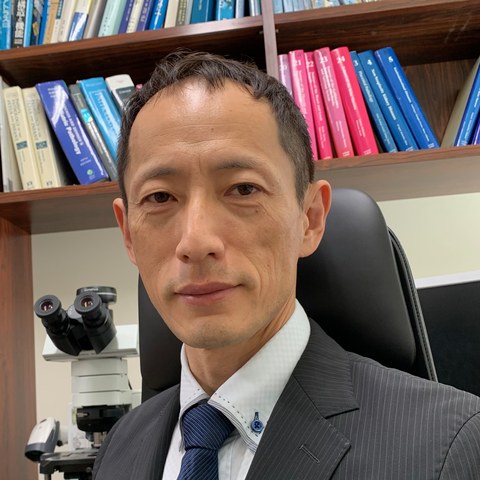
Atsushi Yamashita · University of Miyazaki, Japan
山下敦史博士(医学博士、哲学博士)是日本宫崎大学医学部病理学系教授,专长心血管病理、血栓形成与止血。其研究聚焦动脉与静脉血栓形成的病理机制,包括凝血因子、血细胞和血管成分在血栓形成与机化中的作用。他利用人类病理标本与实验血栓模型开展转化研究,阐明血栓形态与功能的关系。其近期工作聚焦深静脉血栓中的凝血因子 XI 及因子 XIa 抑制的抗栓与止血作用。他活跃于日本血栓与止血学会和日本动脉粥样硬化学会,参与病理与血栓研究的学术与教育活动。通过整合人类病理与实验方法,旨在识别血栓性疾病的新机制,为开发更安全的抗栓策略作出贡献。
Atsushi Yamashita, MD, PhD, is Professor in the Department of Pathology, Faculty of Medicine at the University of Miyazaki, Japan. He specializes in cardiovascular pathology, thrombosis, and hemostasis. His research focuses on the pathological mechanisms of arterial and venous thrombosis, including the roles of coagulation factors, blood cells, and vascular components in thrombus formation and organization. He has conducted translational studies using human pathological specimens and experimental thrombosis models to clarify the relationship between thrombus morphology and function. His recent work has focused on factor XI in deep venous thrombosis and the antithrombotic and hemostatic effects of factor XIa inhibition. He is actively involved in the Japanese Society on Thrombosis and Hemostasis and the Japanese Society on Atherosclerosis, contributing to academic and educational activities in the fields of pathology and thrombosis research. Through the integration of human pathology and experimental approaches, he aims to identify novel mechanisms of thrombotic disease and contribute to the development of safer antithrombotic strategies.
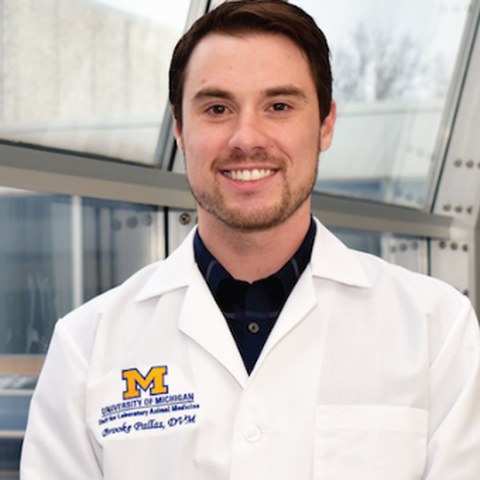
Brooke Pallas · University of Michigan, USA
帕拉斯博士是一位兽医科学家,密歇根大学实验室动物医学临床副教授。其专长是开发和使用基因修饰兔模型用于生物医学研究。其研究聚焦构建和表征免疫缺陷兔的基因工程品系,为癌症研究与再生医学提供变革性的非啮齿类模型。他建立了一种在基因免疫缺陷兔中进行同种异体造血干细胞移植的稳健方法,使其获得免疫能力并提高繁殖效率,同时保留其种系基因突变。他还担任密歇根大学先进模型转化科学与治疗中心(CAMTraST)及 NIH 资助的美国国家兔模型转化研究中心(NCRM)兽医主任,领导体内实验研究,并为新建立疾病模型的临床、外科及病理相关方面提供指导与监督。
Dr. Pallas is a veterinary scientist and clinical associate professor of laboratory animal medicine at the University of Michigan. His expertise lies in the development and use of genetically modified rabbit models for biomedical research. His research efforts are focused on the creation and characterization of genetically engineered lines of immunodeficient rabbits, to provide the research community with a transformational non-rodent model for cancer research and regenerative medicine applications. He has established a robust method for the provision of allogenic hematopoietic stem cell transplants in genetically immunodeficient rabbits, to provide them with immune competency and improve their breeding efficiency, while preserving their germ line genetic mutations. He also serves as the Veterinary Director for the University of Michigan’s Center for Advanced Models, Translational Sciences, and Therapeutics (CAMTraST), as well as the NIH-funded National Center of Rabbit Models for Translational Research (NCRM). In these roles, he leads in-vivo experimental studies and provides guidance and oversight in the clinical, surgical, and pathological aspects of newly generated disease models.
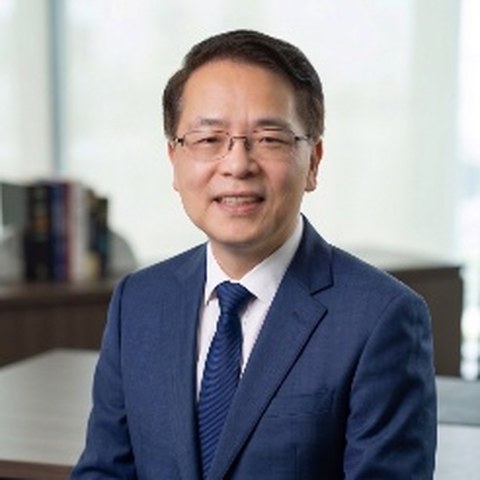
Do-Yeon Cho · University of Alabama at Birmingham, USA
崔道延博士是阿拉巴马大学伯明翰分校(UAB)耳鼻喉头颈外科教授、UAB 综合嗅觉与味觉中心主任、伯明翰退伍军人医疗系统耳鼻喉科主任。他是一位经过专科培训的鼻科医师和转化科学家,其研究聚焦慢性鼻窦炎、囊性纤维化相关气道疾病、嗅觉障碍及上皮再生的病理生理机制。其实验室整合先进临床前模型、气道上皮生物学、微生物转录组学与生物工程方法,研究难治性鼻窦疾病的发病机制并开发创新治疗策略。崔博士曾主持多项 NIH、囊性纤维化基金会、退伍军人事务部及行业资助项目,发表同行评议论文 100 余篇。他积极参与国内外鼻科学学会活动,推动科学合作、外科医生-科学家培养及全球教育,致力于将实验室发现转化为改善患者预后的新疗法。
Dr. Do-Yeon Cho is Professor of Otolaryngology–Head & Neck Surgery at the University of Alabama at Birmingham (UAB), Director of the UAB Comprehensive Smell & Taste Center, and Section Chief of Otolaryngology at the Birmingham VA Health Care System. He is a fellowship-trained rhinologist and translational scientist whose research focuses on the pathophysiology of chronic rhinosinusitis, cystic fibrosis–related airway disease, olfactory disorders, and epithelial regeneration. His laboratory integrates advanced preclinical models, airway epithelial biology, microbial transcriptomics, and bioengineering approaches to investigate disease mechanisms and develop innovative therapeutic strategies for refractory sinonasal diseases. Dr. Cho has served as principal investigator on multiple NIH, Cystic Fibrosis Foundation, Department of Veterans Affairs, and industry-funded research projects and has authored more than 100 peer-reviewed publications. He is actively involved in national and international rhinology societies, where he promotes scientific collaboration, surgeon-scientist development, and global education. His work bridges basic science and clinical practice with the goal of translating laboratory discoveries into novel therapies that improve patient outcomes.
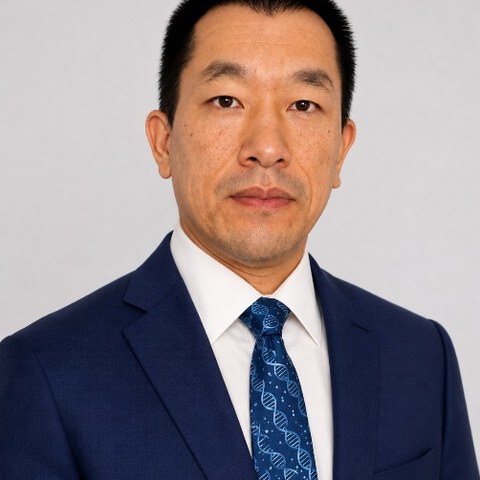
Dongshan Yang · University of Michigan, USA
杨东山博士是一名遗传学家和转化科学家,专长于精准基因组编辑、大型动物基因工程及遗传病基因治疗。其研究聚焦开发高保真大型动物疾病模型,以克服传统啮齿类系统的局限,加速下一代基因和细胞疗法的转化。杨博士开发了 50 余种定制转基因、基因敲除及敲入大型动物模型,包括人心血管、肺部及遗传性致盲疾病的猪和兔模型。其研究得到不断增长的联邦基金支持,包括极具竞争力的 NIH/NEI R01 项目。其成果发表于 Cell Research、Nature Communications、TVST、IOVS 等顶级期刊,并担任 Transgenic Research 编委。
Dongshan Yang, Ph.D., is a geneticist and translational scientist specializing in precision genome editing, large-animal genetic engineering, and gene therapy for inherited diseases. His research focuses on developing high-fidelity large animal disease models to overcome the limitations of traditional rodent systems and accelerate the translation of next-generation gene and cell therapies. Dr. Yang has developed more than 50 custom transgenic, knockout, and knock-in large-animal models, including swine and rabbit models of human cardiovascular, pulmonary, and inherited blinding diseases. His research is supported by a growing federal funding portfolio, including highly competitive, top-ranked NIH/NEI R01 grants. His work has been published in leading journals, including Cell Research, Nature Communications, Translational Vision Science & Technology (TVST), and Investigative Ophthalmology & Visual Science (IOVS). He also serves on the Editorial Board of Transgenic Research.
Eugene Chen · University of Michigan, USA
陈博士是密歇根大学 Frederick Huetwell 心血管医学讲席教授。其实验室开展从实验室到临床的研究,以阐明代谢性与心血管疾病背后的分子机制。他克隆了 Exendin-4(艾塞那肽 BYETTA,首个 GLP-1 类药物),推动了基于 GLP-1 的治疗,并阐明了硝基脂肪酸(一类新型抗炎介质,现处于 II 期临床试验)的信号机制。他还将人类遗传学发现与转化研究相结合。自 2012 年起,陈博士担任 CAMTraST 主任,开发用于人类疾病模型的基因靶向及转基因兔。2025 年,CAMTraST 获得 NIH 资助,建立了美国国家兔模型中心(NCRM)——美国唯一由 NIH 资助、专注于转化疾病模型的兔研究中心。
Dr. Chen is the endowed Frederick Huetwell Professor of Cardiovascular Medicine at the University of Michigan. His laboratory conducts bench-to-bedside research to define molecular mechanisms underlying metabolic and cardiovascular diseases. He cloned Exendin-4 (BYETTA, the first GLP-1 drug), enabling GLP-1–based therapeutics, and elucidated signaling mechanisms of nitro-fatty acids, novel anti-inflammatory mediators now in Phase II trials. He also integrates human genetic discoveries with translational research. Since 2012, Dr. Chen has directed CAMTraST, developing gene-targeted and transgenic rabbits for human disease models. In 2025, CAMTraST received NIH funding to establish the National Center of Rabbit Models (NCRM), the nation’s only NIH-funded rabbit center dedicated to translational disease models in the USA.
Itay Spektor · Fertility Preservation Center, Sheba Medical Center, Israel
伊泰·斯佩克特博士(博士、MBA)是以色列示巴医疗中心生育力保存中心的高级研究员兼实验室主管。他在耶路撒冷希伯来大学获得动物科学博士学位,研究肿瘤-基质相互作用,重点关注胶原蛋白沉积在肿瘤形成中的作用;此后获得 MBA 学位,将科学专长与管理及转化研究经验相结合。斯佩克特博士目前研究聚焦生育力保存,利用新型免疫缺陷兔模型进行卵巢组织异种移植。其工作探究细胞外基质(ECM)在卵巢生物学、卵泡存活及移植后移植物功能中的作用,整合组织病理学、先进显微技术、小动物成像及基于机器学习的定量图像分析,研究组织重塑与移植效果。他在组织病理学、细胞学、肿瘤学、癌症研究、医疗器械、GLP 及生育力保存方面经验丰富,还担任《外科研究》和《癌症与肿瘤:开放获取期刊》副编辑。
Dr. Itay Spektor, Ph.D., MBA, is a Senior Researcher and Laboratory Manager at the Fertility Preservation Center, Sheba Medical Center, Israel. He received his Ph.D. in Animal Sciences from the Hebrew University of Jerusalem, where his research focused on tumor–stroma interactions, with particular emphasis on the role of collagen deposition in tumor establishment. He later earned an MBA, combining scientific expertise with management and translational research experience. Dr. Spektor’s current research focuses on fertility preservation, utilizing novel immunodeficient rabbit models for ovarian tissue xenotransplantation. His work investigates the role of the extracellular matrix (ECM) in ovarian biology, follicle survival, and graft function following transplantation, integrating histopathology, advanced microscopy, small-animal imaging, and quantitative machine learning-based image analysis to study tissue remodeling and transplantation outcomes. He has extensive experience in histopathology, cytology, oncology, cancer research, medical devices, Good Laboratory Practice (GLP), and fertility preservation, and serves as an Associate Editor for Surgical Research and Cancer and Oncology: Open Access Journal.
Jie (Jack) Xu · University of Michigan, USA
徐捷博士是密歇根大学研究教授。他于 1997 年在清华大学获得理学学士学位,2002 年在康涅狄格大学获得生殖生理学博士学位,导师为杨向中教授。此后,他从事了十年生物技术研发工作,并于 2012 年加入密歇根大学。在密歇根大学,他与同事建立了用于生物医学研究新型兔模型制备的 CRISPR/Cas9 基因编辑平台,主导开发了免疫缺陷、加速衰老、乳腺生物反应器及囊性纤维化等多个兔品系。他还推动了基因编辑工具的改进,例如主导开发了 miCas9——一种能增强大片段敲入并减少非预期插入缺失编辑事件的 Cas9 变体。
Dr. Jie Xu is a Research Professor at the University of Michigan. He received his Bachelor of Science degree from Tsinghua University in 1997, and his Ph.D. in reproductive physiology from the University of Connecticut in 2002 under the supervision of Professor Xiangzhong Yang. He then spent ten years as a biotech R&D scientist before joining the University of Michigan in 2012. At Michigan, he has worked with colleagues to establish the CRISPR/Cas9 gene editing platform for production of novel rabbit models for biomedical research, and has led the development of several lines including immunodeficient, accelerated aging, pharming, and cystic fibrosis rabbit models. He has also contributed to the improvement of gene editing tools, for example leading the development of miCas9, a Cas9 variant that enhances large fragment knock-in while reducing undesirable insertion and deletion editing events.
Jifeng Zhang · University of Michigan, USA
张继峰博士在日本山梨大学获得心血管病理生理学博士学位。他于 2006 年加入密歇根大学,现任医学院内科系研究教授。其研究聚焦心血管疾病的分子机制,包括主动脉瘤及夹层、动脉粥样硬化。张博士将血管生物学、染色质重塑、炎症信号与转化动物模型相结合,研究血管平滑肌细胞、免疫通路及器官间通讯如何驱动血管损伤与疾病进展。其工作深化了对血管病理中 BAF60s、KLFs 及肝源性介质作用的认识。他还推动了基于 CRISPR/Cas9 的基因组编辑技术及转化研究兔模型的开发,助力基础发现向人类疾病相关成果的转化。
Jifeng Zhang received a PhD in Cardiovascular Pathophysiology from the University of Yamanashi, Japan. He joined the University of Michigan in 2006 and is currently a research professor in the Department of Internal Medicine at the Medical School. His research focuses on the molecular mechanisms underlying cardiovascular diseases, including aortic aneurysm and dissection, as well as atherosclerosis. Dr. Zhang integrates vascular biology, chromatin remodeling, inflammatory signaling, and translational animal models to investigate how vascular smooth muscle cells, immune pathways, and interorgan communication drive vascular injury and disease progression. His work has advanced understanding of BAF60s, KLFs, and liver-derived mediators in vascular pathology. He has also contributed to the development of CRISPR/Cas9-based genome-editing technologies and rabbit models for translational research, helping to bridge mechanistic discoveries and their relevance to human disease.
László Hiripi · Semmelweis University, Hungary
拉斯洛·希里皮先后获得生物学学士学位,随后在匈牙利格德勒的圣伊什特万大学获得动物科学博士学位。博士毕业后,他加入英国阿尔斯特大学医学院从事博士后研究,积累动物生物技术与生物医学领域的国际研究经验。2005 年,拉斯洛回到匈牙利,加入国家农业研究与创新研究院(NAIK-ABI),担任首席研究员。2014 年,他被任命为研究部门负责人,主持动物生物技术研究并助力创新实验动物模型的开发。自 2021 年起,拉斯洛担任塞梅尔维斯大学实验动物科学协调中心主任。其当前研究聚焦先进动物生物技术的开发与应用,尤其是转基因技术与基因组编辑。其学术兴趣包括基因修饰动物模型的构建与特征解析,重点关注其在生物医学研究、疾病建模及转化科学中的应用。
László Hiripi earned his bachelor’s degree in biology and subsequently obtained his Ph.D. in Animal Science from Szent István University in Gödöllő, Hungary. Following his doctoral studies, he joined the School of Medicine at the University of Ulster in the United Kingdom as a postdoctoral fellow, where he gained international research experience in animal biotechnology and biomedical sciences. In 2005, László returned to Hungary and joined the National Institute of Agricultural Research and Innovation (NAIK-ABI), where he worked as a principal investigator. In 2014, he was appointed head of the research unit, leading research activities in animal biotechnology and contributing to the development of innovative experimental animal models. Since 2021, László has served as Director of the Laboratory Animal Science Coordination Center at Semmelweis University, Hungary’s largest and one of its leading medical universities. His current research focuses on the development and application of advanced animal biotechnology, particularly transgenic technologies and genome editing. His scientific interests include the generation and characterization of genetically modified animal models, with an emphasis on their applications in biomedical research, disease modelling, and translational science.
Luca Fontanesi · University of Bologna, Italy
报告题目:从群体基因组到家兔动物模型的基因组学:家兔研究之旅Title: From Population Genomics to the Genomics of an Animal Model: The Rabbit Journey
Luca Fontanesi 教授是博洛尼亚大学(Università di Bologna, Alma Mater Studiorum)农业与食品科学系全职教授,意大利农业研究委员会(CREA)兼任研究员,欧洲科学院(Academia Europaea)院士,长期深耕家畜遗传学与基因组学研究,其团队是欧洲家兔群体基因组与功能基因组研究的核心力量之一。
Prof. Luca Fontanesi is a Full Professor in the Department of Agricultural and Food Sciences at the Università di Bologna (Alma Mater Studiorum), an affiliated researcher of the Council for Agricultural Research and Economics (CREA), Italy, and a member of the Academia Europaea. He has long been devoted to livestock genetics and genomics; his group is one of the leading European teams in rabbit population genomics and functional genomics.
Nathalie Beaujean · INRAE / INSERM SBRI, Lyon, France
纳塔莉·博让博士是法国国家农业食品与环境研究院(INRAE)杰出研究主任,也是法国里昂 INSERM 干细胞与脑研究所(SBRI)首席科学家。她于 2001 年从巴黎物理化学生物学研究所获得博士学位,研究小鼠胚胎的染色质结构与转录活性;随后在苏格兰爱丁堡罗斯林研究所随 Ian Wilmut 教授从事博士后研究,研究 DNA 甲基化作为克隆后成功重编程的标志。她拥有数十年职业生涯,在表观遗传学、染色质生物学、干细胞重编程及胚胎发育方面的工作获得国际认可。其研究连接基础生物学与生物技术,尤其关注表观遗传机制如何在早期发育与细胞重编程中调控基因表达。博让博士的贡献推动了动物生物技术与生殖生物学领域,重点关注核移植、多能干细胞及家畜表型构建的表观遗传基础。近期她共同主导了一项突破性研究,首次在非啮齿类物种中利用诱导多能干细胞在兔体内产生生殖系嵌合体,为研究与治疗人类疾病开辟了新模型。
Dr. Nathalie Beaujean is a distinguished Research Director at the French National Institute for Agriculture, Food, and Environment (INRAE) and a leading scientist at the INSERM Stem Cell & Brain Research Institute (SBRI) in Lyon, France. She earned her PhD in 2001 from the Institut de Biologie Physico-Chimique (Paris, France), studying chromatin structure and transcriptional activity in mouse embryos, and completed a postdoc at the Roslin Institute (Edinburgh, UK) with Prof. Ian Wilmut, where she investigated DNA methylation as a marker of successful reprogramming after cloning. With a career spanning decades, she is internationally recognized for her pioneering work in epigenetics, chromatin biology, stem cell reprogramming, and embryonic development. Her research bridges fundamental biology and biotechnology, particularly in understanding how epigenetic mechanisms regulate gene expression during early development and cellular reprogramming. Dr. Beaujean’s contributions have advanced the fields of animal biotechnology and reproductive biology, with a focus on nuclear transfer, pluripotent stem cells, and the epigenetic underpinnings of phenotype construction in livestock. Recently, she co-led a breakthrough study demonstrating, for the first time in a non-rodent species, the generation of germline chimeras in rabbits using induced pluripotent stem cells, paving the way for innovative models to study and treat human diseases.
Noelia Ibáñez Escriche · Universitat Politècnica de València, Spain
诺埃利亚·伊瓦涅斯·埃斯克里谢是西班牙瓦伦西亚理工大学(UPV)动物遗传学正教授,在数量遗传学、动物育种和统计建模方面拥有 20 余年经验。其研究聚焦家畜(尤其兔、猪、禽)韧性、功能长寿、稳健性及健康等复杂性状的遗传与生物学基础。她将基因组信息、微生物组数据及先进混合与贝叶斯模型相结合,以改进环境挑战下的遗传评估。她在基因型×环境互作、韧性建模及肠道菌群作为动物稳健性与福利指标的作用方面作出重要贡献。她协调并参与了众多国内外研究项目,与欧洲研究网络广泛合作,并在高影响力期刊发表大量论文。此外,她还积极参与教学、博士生指导及学术领导工作,包括协调校际硕士项目。
Noelia Ibáñez Escriche is Full Professor of Animal Genetics at the Universitat Politècnica de València (UPV), Spain, with more than 20 years of experience in quantitative genetics, animal breeding, and statistical modeling. Her research focuses on the genetic and biological basis of complex traits related to resilience, functional longevity, robustness, and health in livestock species, with particular emphasis on rabbits, pigs, and poultry. Her work integrates genomic information, microbiome data, and advanced mixed and Bayesian models to improve genetic evaluation under environmental challenges. She has made significant contributions to the study of genotype-by-environment interactions, resilience modeling, and the role of gut microbiota as an indicator of animal robustness and welfare. She has coordinated and participated in numerous national and international research projects, collaborates extensively with European research networks, and has published widely in high-impact journals. In addition, she is actively involved in teaching, PhD supervision, and academic leadership, including the coordination of interuniversity master’s programs.